
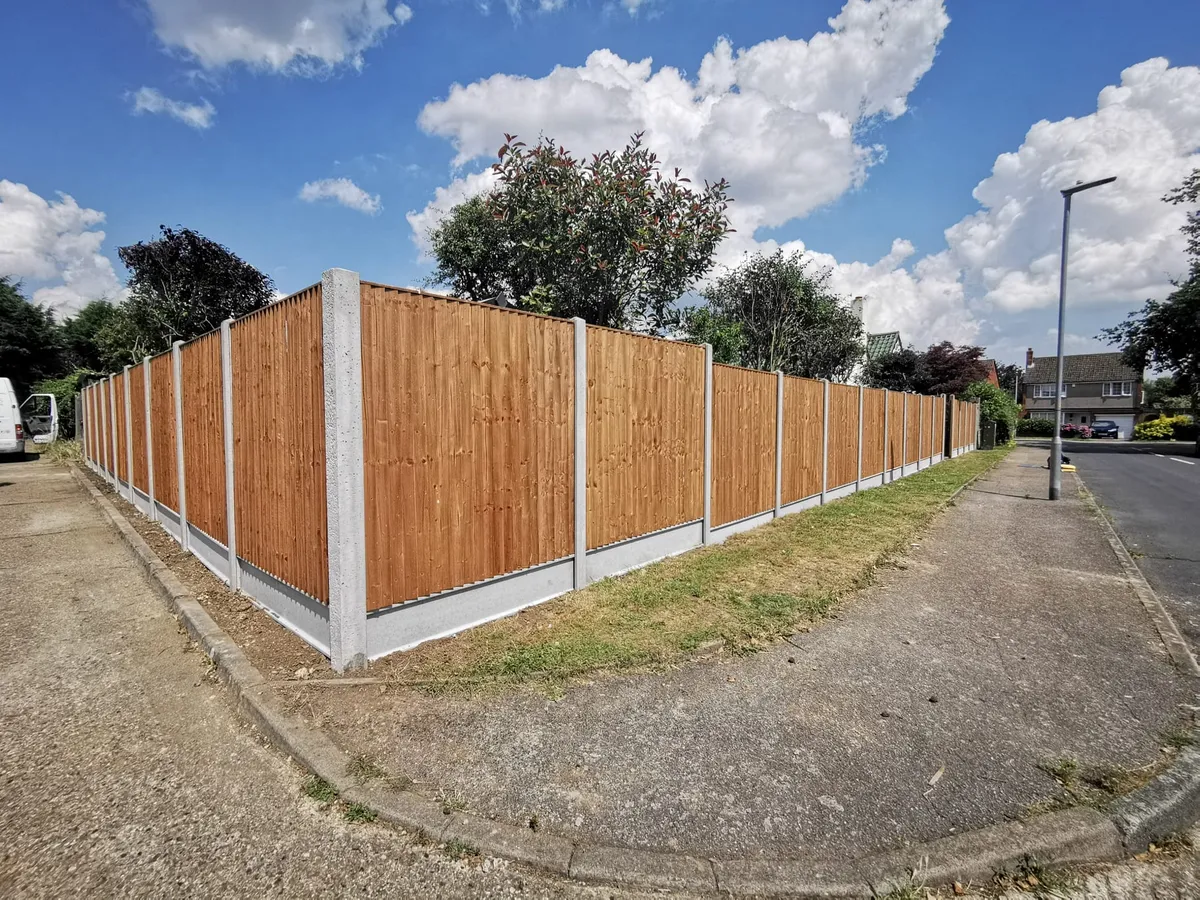
1. Traditional featheredge fencing, built on site
Featheredge fencing uses individual overlapping upright boards, each nailed to horizontal arris rails between the posts. Because it’s built board by board, the installer can plan the fence line around slopes, corners and changes in level — the top and bottom of the boards follow the ground rather than stepping across it. Ask to see a job on a slope similar to yours and look at how the boards meet the gravel board at the base.
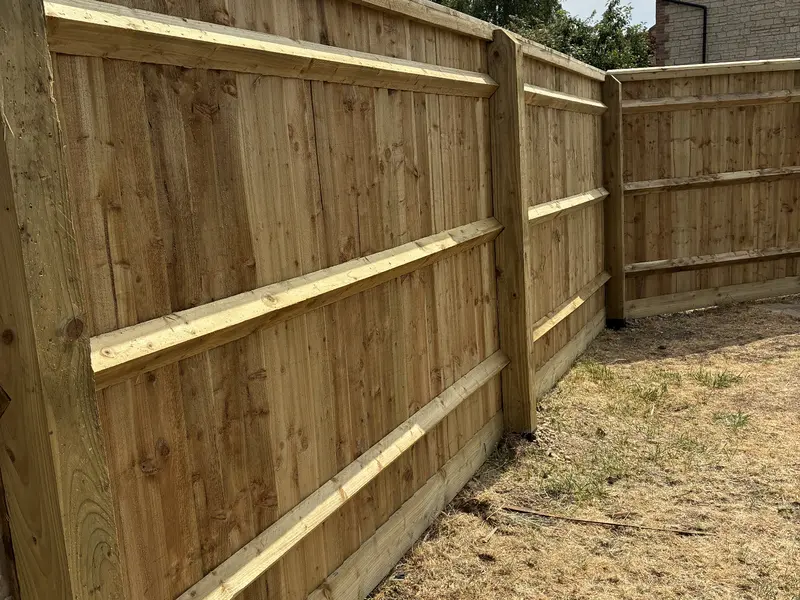
See examples of our featherboard fencing installations.
2. Ready-made closeboard panels
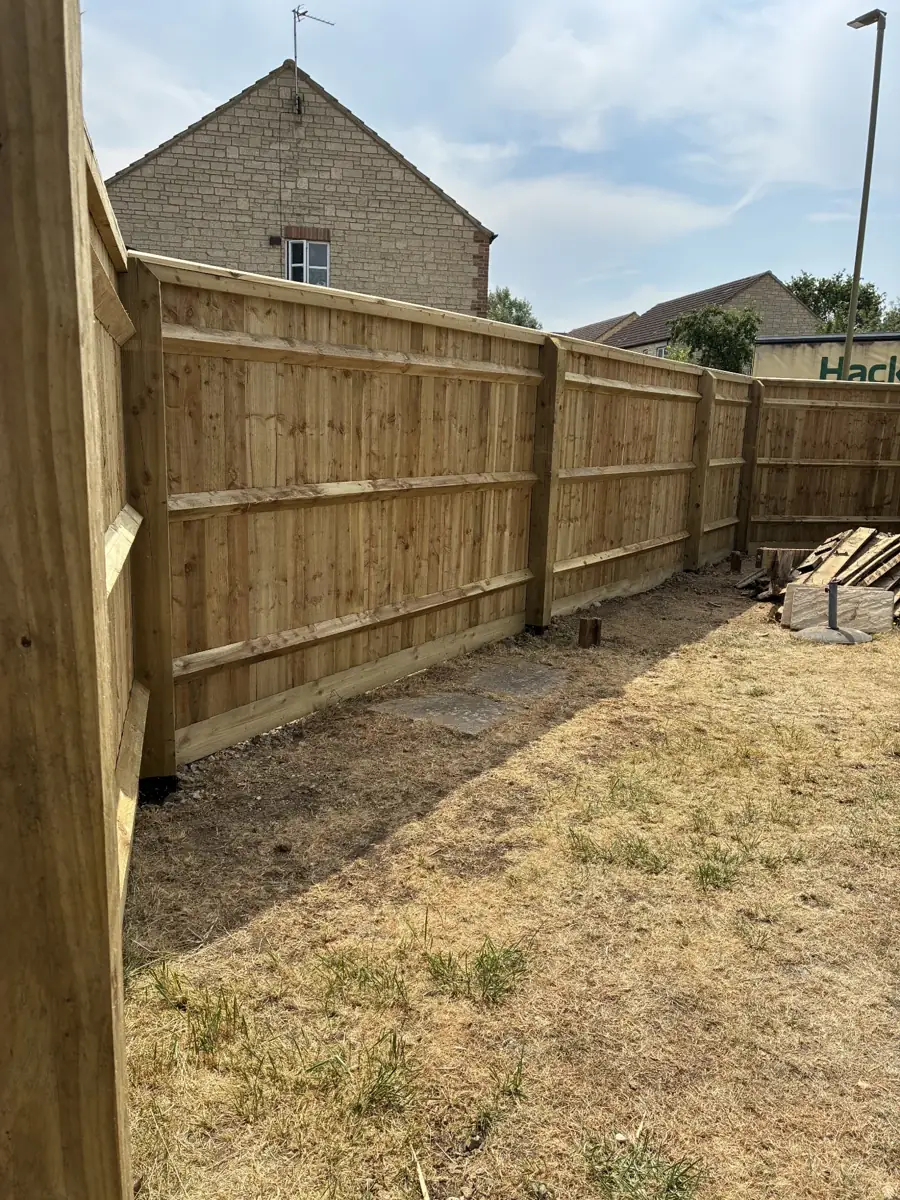
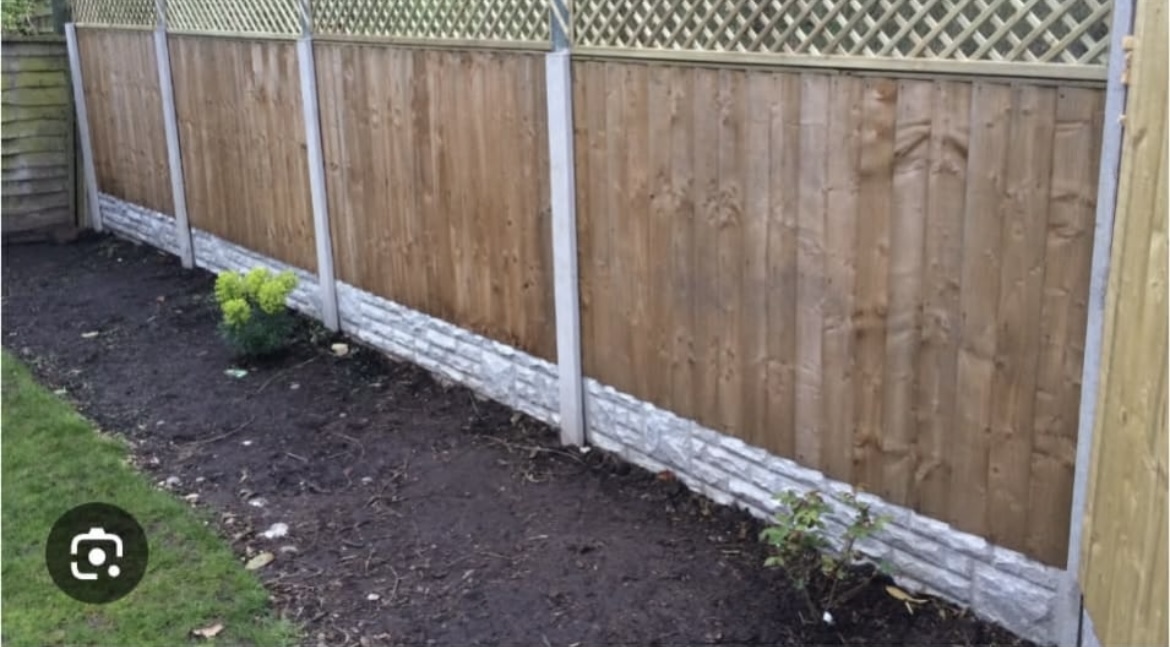
A closeboard panel is a complete panel — featheredge boards already fixed into a frame — that fits between two posts. The useful comparison with featheredge isn’t the boards themselves (featheredge boards can also be used in closeboard panels) but how the fence is made and fitted. With panels, each section slots into place between the posts, which is quicker on a straight, level run. On sloping ground, the panels sit level and gravel boards fill the gaps beneath them.
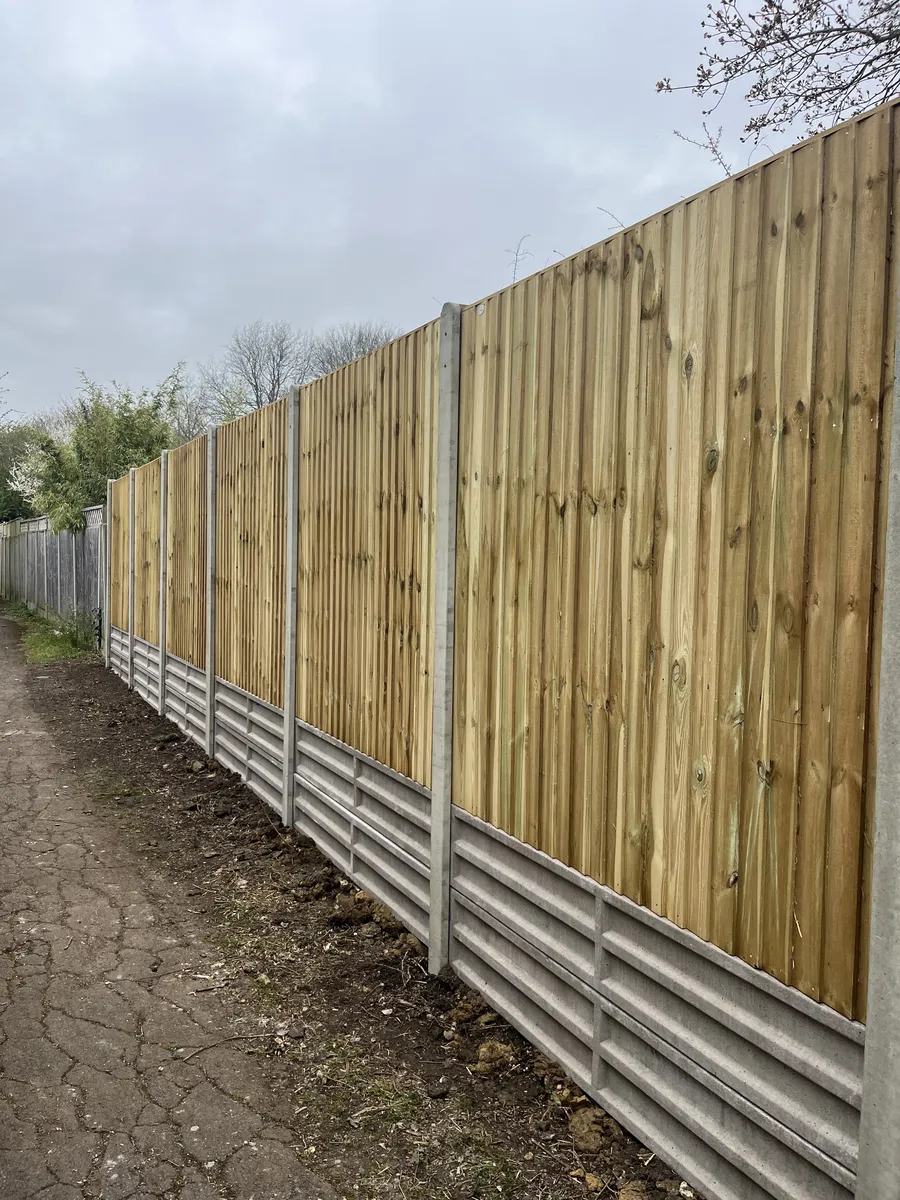
See our fence installation work for examples of this system.
3. The Jacksons fencing range
Jacksons is a manufacturer offering several designs, so “Jacksons fencing” isn’t a single style. Two of the most popular are quite different: Venetian panels use straight horizontal slats with gaps between them for an open feel, while woven panels interlace boards in an interwoven pattern. If you’re trying to screen a patio or a neighbour’s window, ask to see the proposed panel from an angle as well as straight on — the gaps in slatted designs can be more visible from the side than they appear face-on.
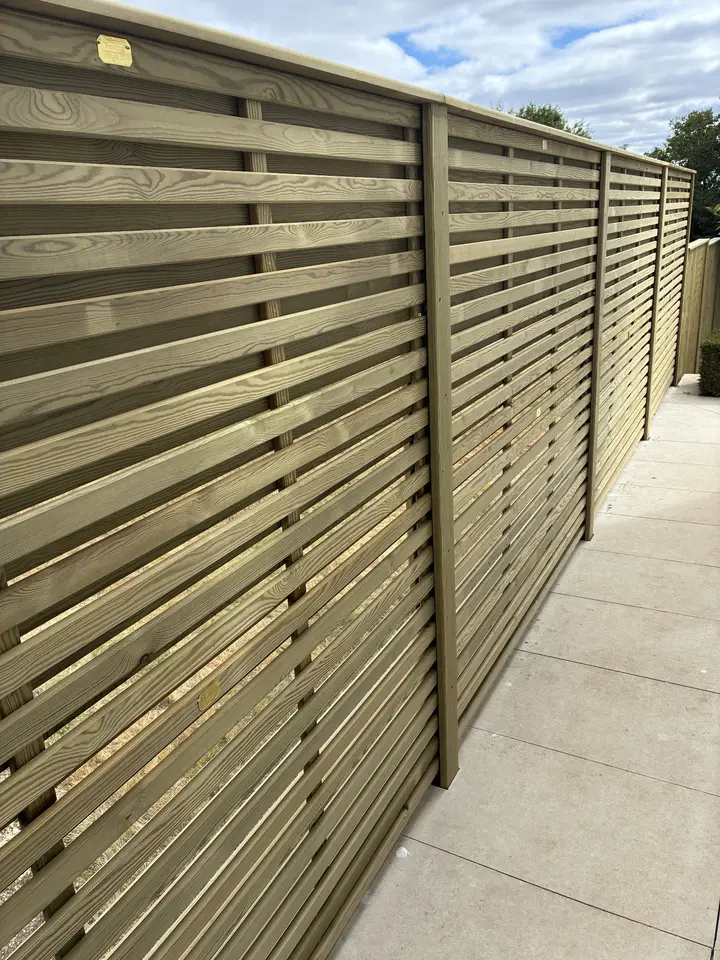
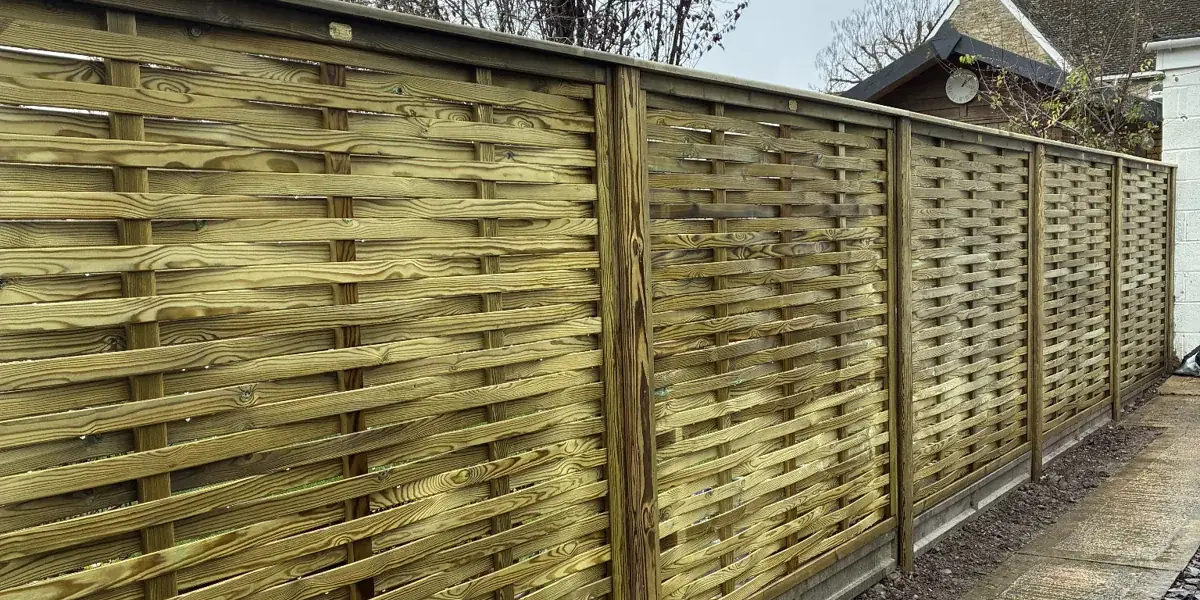
Explore our Jacksons fencing styles and installations.
A quick comparison
| Factor | Featheredge | Closeboard panels | Jacksons |
|---|---|---|---|
| Appearance | Solid, board-by-board finish | Uniform panels between posts | Open slats or woven patterns |
| Privacy | Full privacy, solid face | Full privacy, solid face | Partial — check the gap at an angle |
| Changes in ground level | Boards follow the slope | Panels sit level; gravel boards fill gaps | Panels sit level; check the base |
| Post options | Timber or concrete | Timber or concrete (slotted) | Jacksons slotted posts |
Still deciding between posts? Read our guide to timber or concrete fence posts below.
Concerned about fence height limits near a highway or in a conservation area? See our guide to planning permission for fencing in Oxfordshire.
Timber or concrete fence posts?
The posts you choose affect appearance, which panels or rails they’re compatible with, how much maintenance the fence needs, and how easy access is for installation. Here’s how to weigh them up.
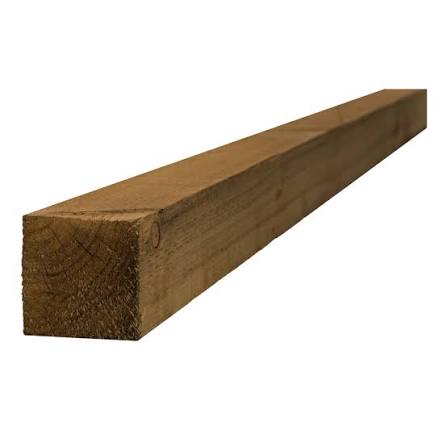
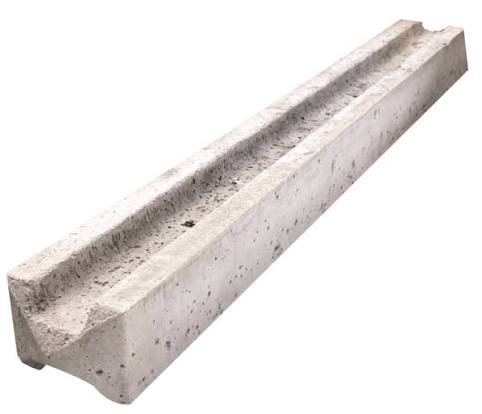
Treated timber post (left) for a natural wood finish, and slotted concrete post (right) for durable rot-free support.
Appearance
Timber posts blend into a timber fence; concrete posts are more visible but won’t rot or warp. Some homeowners prefer the look of timber; others prefer the permanence of concrete.
Compatibility with panels or rails
Some slotted concrete post systems are designed to take a specific panel, and some slotted systems allow a suitable panel to be lifted out where there’s enough clearance — handy for replacing a single panel later. Traditional featheredge built on arris rails suits timber posts. Ask which panels or rails each post type is compatible with before you choose.
Care and access
Timber posts may need treating; concrete posts are largely maintenance-free but heavier to handle and install, which can affect access on smaller or tighter sites. The complete installed price reflects the posts, the panels or rails, and the labour to set them — so compare the whole system, not just the post material.
| Factor | Timber posts | Concrete posts |
|---|---|---|
| Appearance | Blends with timber fence | More visible; won’t rot |
| Maintenance | May need treating | Largely maintenance-free |
| Panel access | Rails nailed to post | Slotted; panel may lift out |
| Installation | Lighter to handle | Heavier; tighter sites cost more |
If only one or two of your posts have failed, a repair may be more practical than a full replacement — see our fence repair service.
For details of what our installations are guaranteed against, see our workmanship and materials warranty.